Low-E glass is a no-brainer in the northern states, but many homeowners in the South worry that Low-E glass can trap heat inside their homes and drive up their energy bills. But if you choose the right Low-E windows for Georgia's unique climate, you can significantly reduce your home's energy bills. At NG Windows, we work hard to educate our customers and make sure they choose the right windows for their budget, energy concerns, and comfort. Read this quick guide about common Low-E window myths, how Low-E glass actually works, and the real impact of modern coatings on glass window performance.
What Low-E Glass Really Is (And How It Works)
Low-emissivity glass, or Low-E glass, features a thin, invisible metallic coating designed to reflect heat back to its source while still allowing natural sunlight to pass through. In simple terms, it helps keep your home cooler during the summer by blocking outdoor heat and warmer during the winter by helping retain indoor heat. It also helps reduce harmful UV rays, adding comfort and protection year-round.
There are two types of Low-E windows for local residents to choose between: Low-E2, which works well in moderate climates, and Low-E3, which works well in hotter climates. As the name implies, Low-E2 glass has two layers of silver oxide, and Low-E3 glass has three.
Common Myths About Low-E Glass in the South
Low-e glass offers excellent energy efficiency. But there are also a lot of myths about low-E glass that might make some homeowners nervous. Here are common myths you might encounter and the truth behind them:
Myth #1: Low-E glass makes your house too dark.
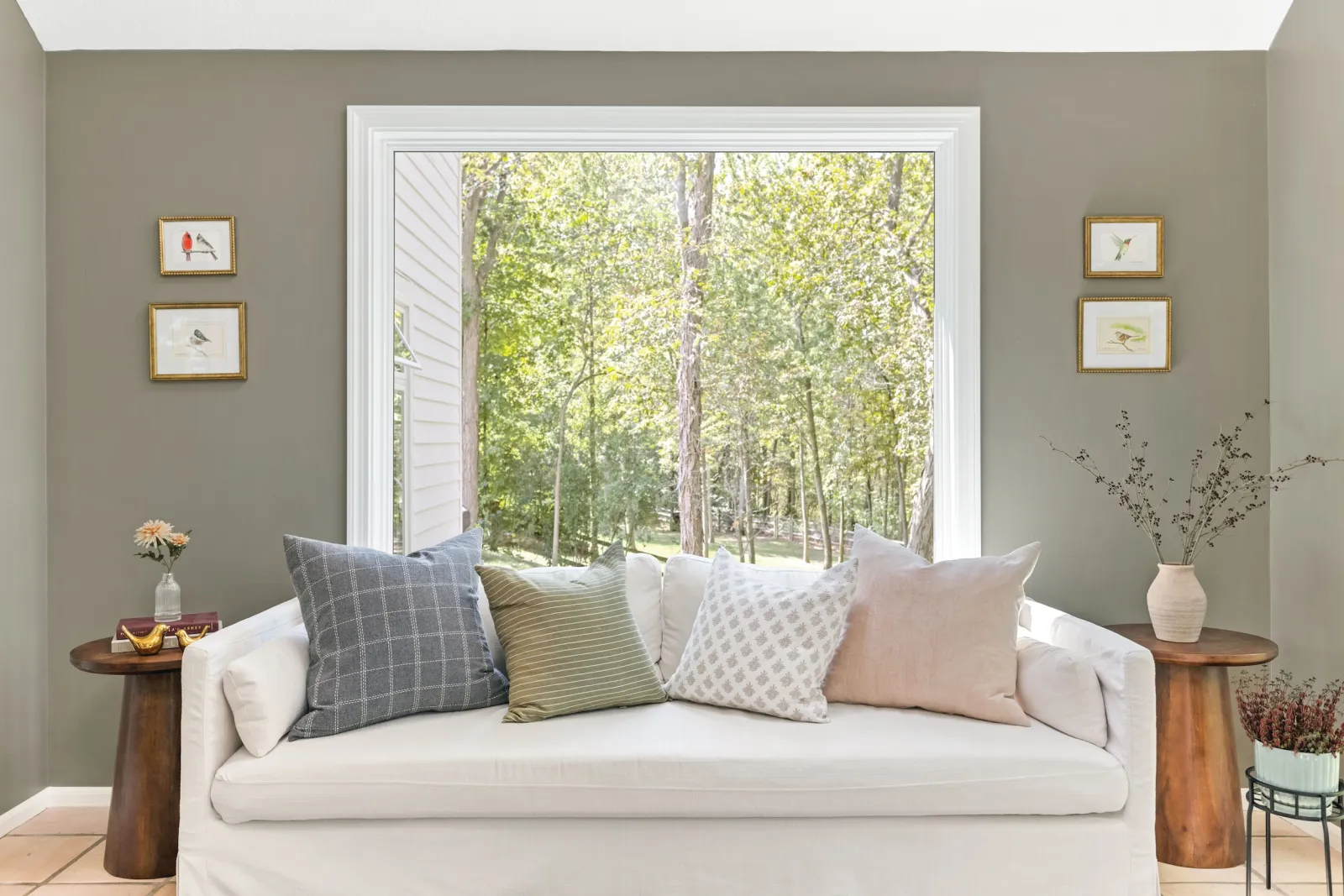
The Reality: Modern Low-E coatings can often be nearly invisible, allowing the maximum amount of natural light into your home while specifically reflecting infrared heat and harmful UV rays.
However, it is important to understand that adding any layer of protection—especially if you are upgrading from old single-pane glass to high-efficiency double-pane glass—will result in a slight change in light transmission. You might notice a subtle tint, but the trade-off is almost always worth it for these reasons:
UV Protection: Depending upon the number of Low-E coatings, it can block up to 95% of UV rays, preventing your furniture, flooring, and artwork from fading.
Thermal Comfort: By reflecting heat, your home stays cooler in the summer and warmer in the winter.
Energy Savings: The reduction in solar heat gain directly translates to lower monthly utility bills.
Why does it sometimes look darker? If you feel your new windows look a bit different, it's often due to external factors rather than the glass itself. For example, white internal grids (muntins) or plantation shutters create a high-contrast background that can make a subtle tint more "readable" to the eye.
Additionally, the amount of Low-E coatings can differ, with some providing maximum clarity, while others are slightly darker to provide extreme heat protection in very sunny climates.
Pro Tip: If you're worried about the view, ask about the Visible Light Transmittance (VLT) rating. This number tells you exactly how much natural light is getting through, so you can choose the perfect balance for your home.
Myth #2: Low-E only works in colder climates.
The Reality: Low-E coatings are designed to direct heat back to its source, which makes them incredibly effective in every climate—regardless of the temperature outside. In the winter, the coating reflects your home's interior heat back inside to keep you warm. In a Georgia summer, it does the exact opposite by reflecting the sun's scorching radiant heat away from your house.
Choosing the Right Coating for Georgia: There isn't a "one-size-fits-all" Low-E. The best option for your home depends on your specific goals and how much direct sunlight your windows receive each day:
Low-E2: A great "all-around" performer. It offers a fantastic balance of thermal protection while maintaining high visible light transmittance. This is often preferred for north-facing windows or rooms where you want the maximum amount of "true" natural light.
Low-E3: This is great for Georgia's hot, humid climate, especially for west-facing rooms that get hit by the intense afternoon sun.
The Balance of Light and Heat: It is important to note that as you increase the number of Low-E coatings to block more heat, the Visible Light Transmittance (VLT) does naturally go down. While Low-E 3 provides the ultimate heat defense and energy savings, it will have a slightly more noticeable tint than Low-E2.
Pro Tip: Look at your home's orientation before selecting your window glass. You might choose Low-E3 if you receive a lot of direct sunlight, or you may choose Low-E2 for your shaded front porch to keep the interior feeling bright and airy.
Myth #3: "Energy-efficient" always means the glass has a Low-E coating.
The Reality: "Energy efficiency" is a broad term that covers many different window features. While some windows rely on insulated frames or argon gas fills to save energy, Low-E glass is a specific technology. For the best performance, you want a window that combines a high-quality frame with the heat-reflecting power of Low-E glass.Why Low-E Glass Matters More in Georgia's Climate
Georgia has very hot summers, with temperatures routinely reaching above 90° F, and the weather slowly cools down in the fall, meaning most homeowners face hot temperatures for most of the year. As a result, Georgia residents have high air conditioning costs. Standard double-pane windows without Low-E technology provide basic insulation but do nothing to block radiant heat. This lack of thermal protection can turn your windows into 'radiators,' transferring outdoor temperatures directly into your home. However, Low-E glass blocks out up to 70% of radiant heat from high outside temperatures, reducing the total solar heat gain (SHGC) and protecting your air conditioning units from overworking.
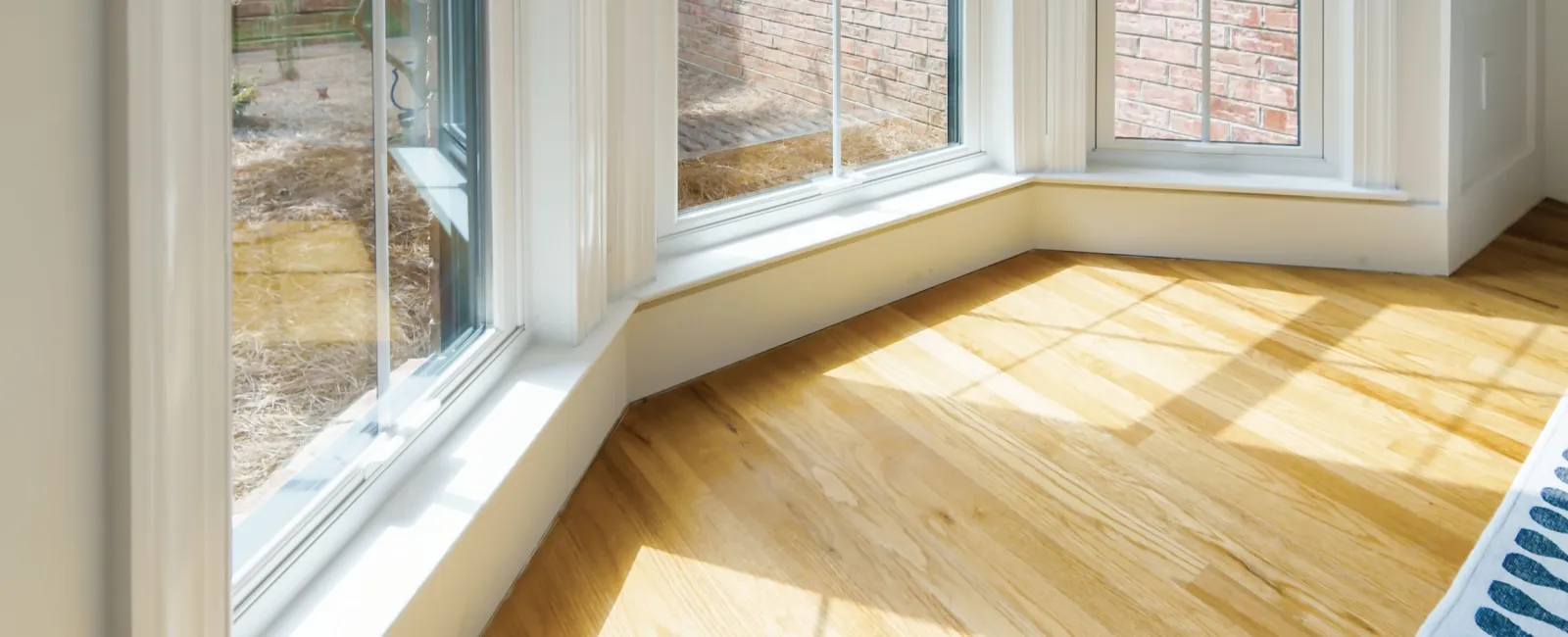
Low-E glass windows also block UV radiation, protecting wood floors, furniture, interior artwork, fabrics, and other home goods that are vulnerable to UV damage, all while letting you enjoy natural sunlight.
Reach Out to NG Windows for Low-E Glass Solutions
Windows with Low-E glass give Georgia homeowners sunny views while simultaneously blocking out UV radiation and heat. By installing these windows, you can be more comfortable year round and lower your energy bills. At NG Windows, we offer a wide selection of energy-efficient window options. Reach out today to schedule a consultation and explore which windows are the best fit for your home.